
Scientific IT Services (SIS) enable modern research through the provision of first-class scientific computing services. From data management plans to individual consulting and data analysis, we dedicate our work directly to researchers, and we can support you both in solving problems as well as in planning future projects.
|
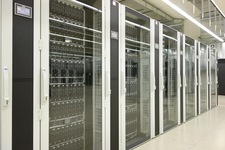
High Performance ComputingEuler cluster • 200,000 CPU cores & 1,300 GPUs • Central platform for HPC, Big Data, AI & ML applications • HPC docs • User support • Shareholder model |
Software DevelopmentIndividual software development • Research Software Engineering • Custodianship of existing code • Scientific software • User interfaces for data collections • Custom workflow solutions • Interactive data visualisation • Lab automation |
|
|
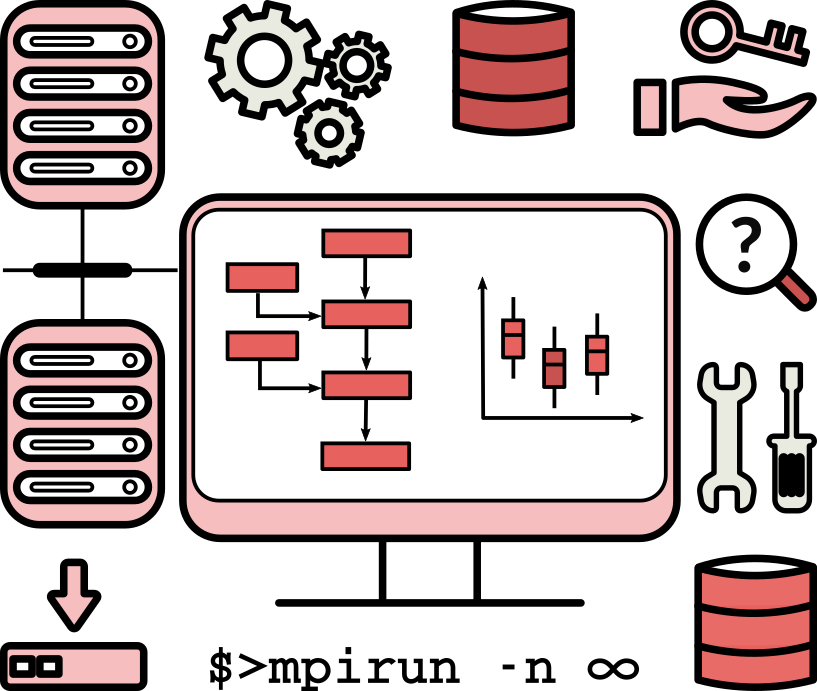
Scientific Computing & Data Co-AnalysisData analysis workflows • Co-analysis of your data • Reproducible research • Code optimization & parallelization (scale up & out) • Efficient use of your computing resources (e.g. GPU, HPC, cloud) |
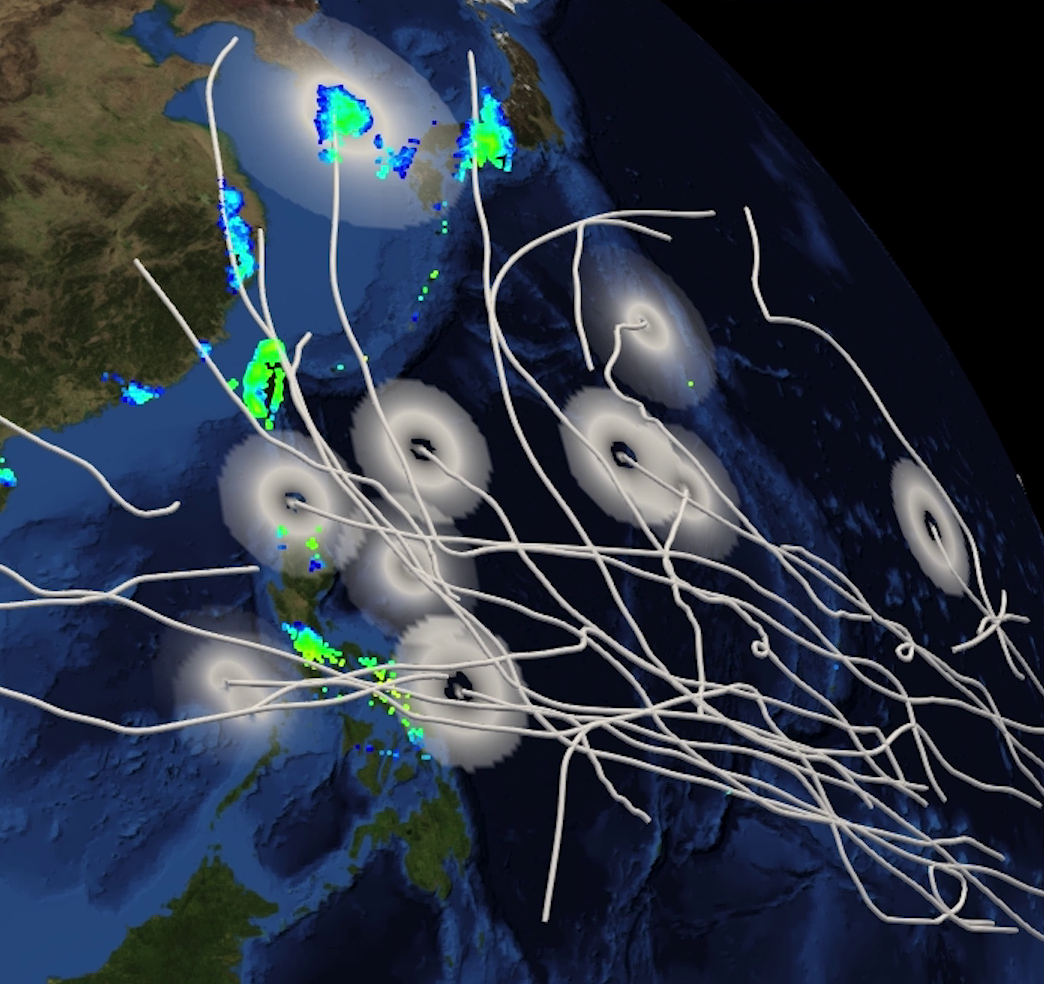
Scientific Visualization2D & 3D animations • Web-map services • Distributed/parallel visualizations • Google earth animations • Swiss topo • OmniGlobe animations @ Focus Terra Museum • Visualization using Python training |
|
|
Data Science & Machine LearningDeep learning • Natural language processing • Image and pattern recognition • Computer vision • Hands-on machine learning training • Big data • Classification & regression |
Research Data ManagementResearch Data Hub • Department Data Hub • Research Data Node • openRDM.swiss • openBIS platform • Data Management Plan |

|
|
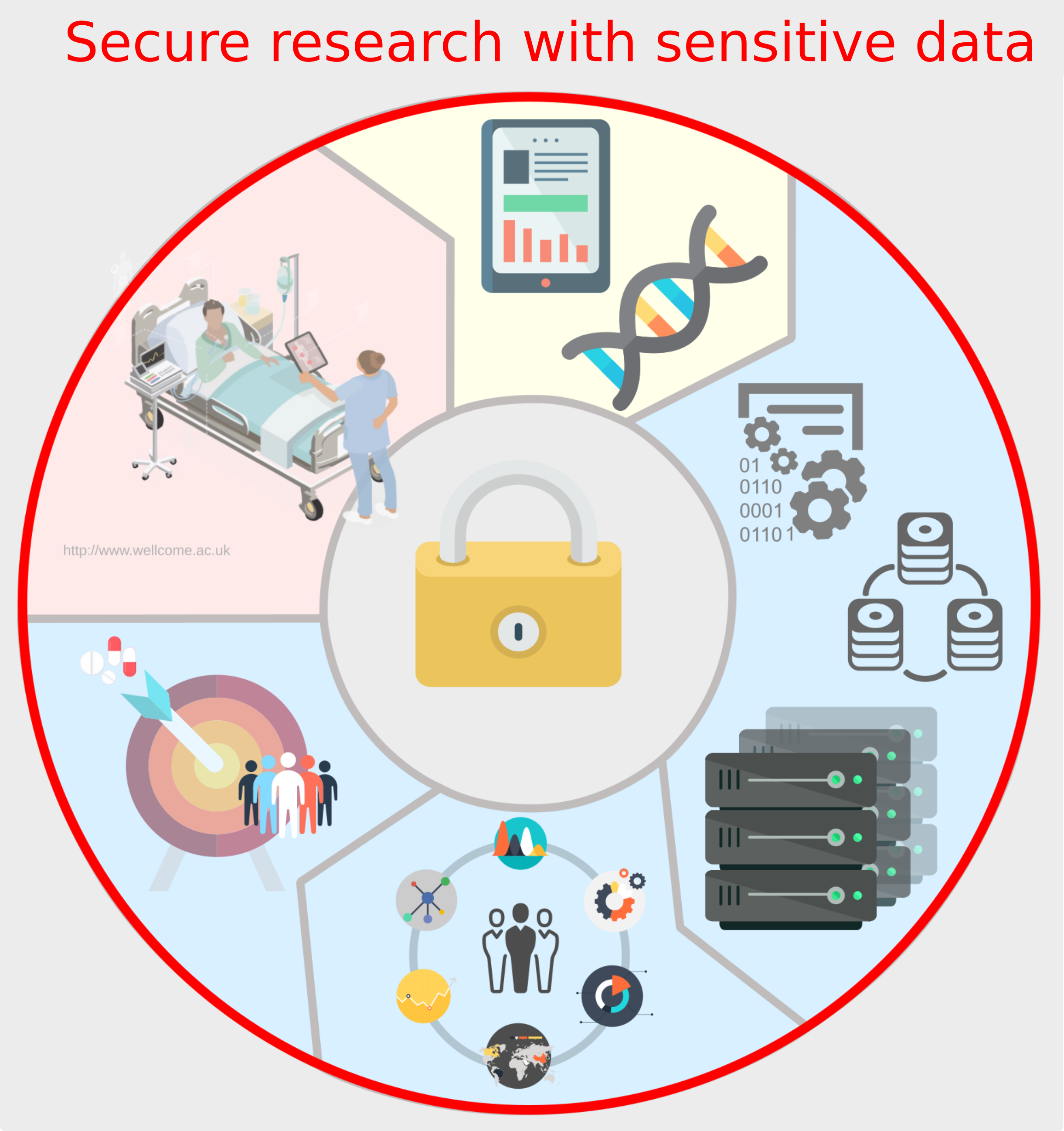
Sensitive Research DataSecure scientific IT platform • Leonhard Med platform • Sensitive research data • Strictly confidential data • Biomedical research • Personalized health data services • Secure HPC and cloud • Secure web services • Secure Large volume data analysis and management • Interoperability • SPHN, PHRT, dTIP, LOOP, SDSC • BioMedIT node Zurich |
Consulting & Training
From time to time we hold Code & Data Clinics campaigns where researchers can stop by to get help with programming or data analysis.
To learn new skills or improve existing skills, researchers can also participate in our courses and workshops on various problem of scientific computing that we developed based on the needs of our users.